The silence penalty
Conversations around periods are whispered or avoided entirely, leaving girls vulnerable to myth and misinformation.
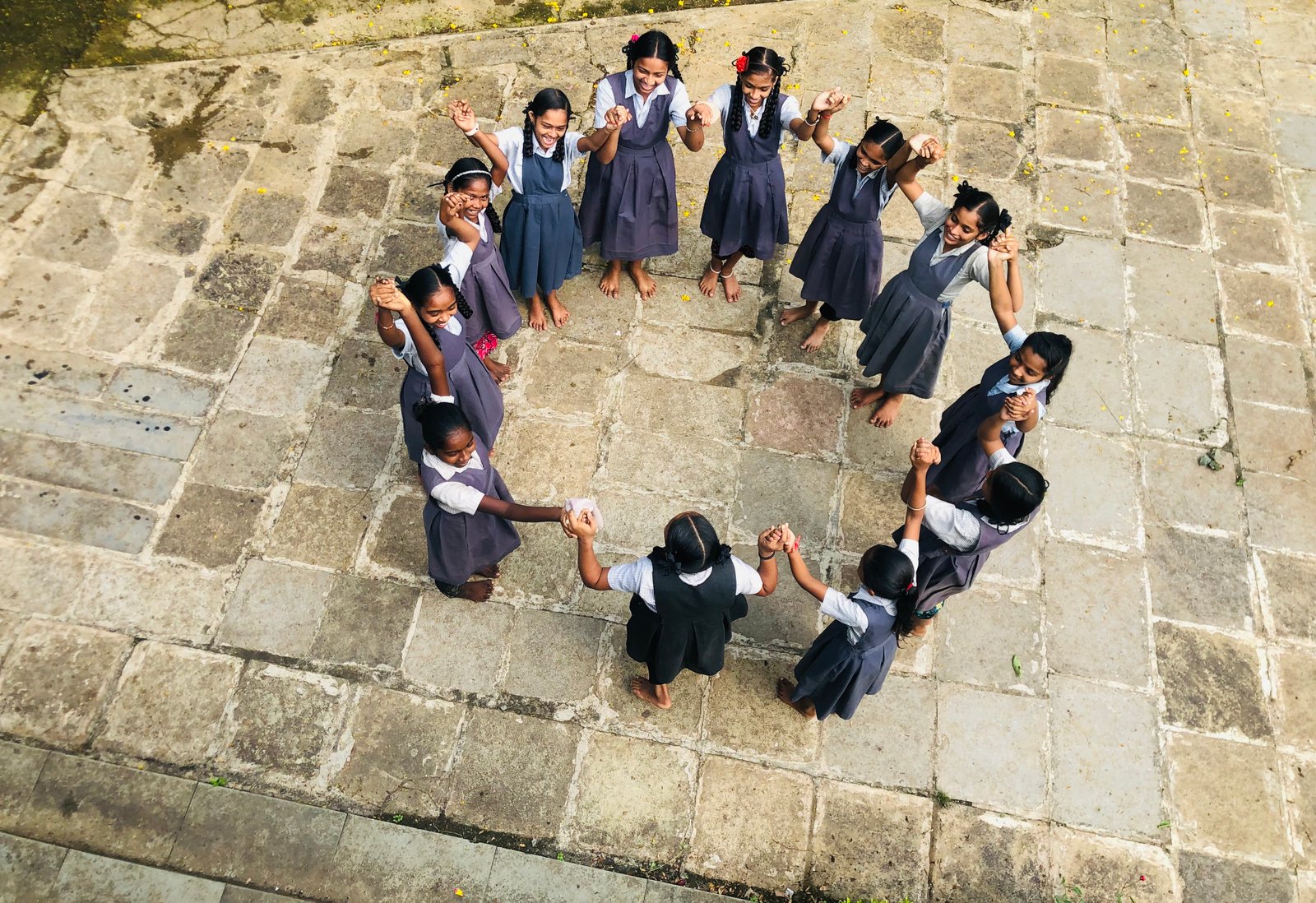
Imagine being twelve years old, sitting in a classroom, and suddenly feeling a profound sense of fear and shame because your body is doing something completely natural, but no one ever told you what it was.
For too many young girls in the remotest villages we visit, this isn't a hypothetical scenario it is their daily reality, menstruation remains a silent conversation wrapped in stigma, myths, and misinformation. For millions of adolescent girls, what should be a natural biological process often becomes a source of fear, confusion, and shame.
At ENLIFT Foundation, we believe that dignity, health, and knowledge are fundamental rights, not privileges. This belief gave birth to Project TARINI - a transformative Menstrual Hygiene Awareness Program designed to empower young girls & women’s by creating awareness, breaking societal taboos, and promoting safe and sustainable menstrual hygiene practices.
Why We Must Act
Despite progress in education and healthcare, menstrual hygiene awareness remains alarmingly low in many rural regions and tribal masses. A severe lack of awareness and poor knowledge of safe hygiene practices continue to derail the educational and personal growth of young girls.
Conversations around periods are whispered or avoided entirely, leaving girls vulnerable to myth and misinformation.
Without access to safe products, girls resort to unsafe practices raising the risk of infection and long-term health issues.
Absenteeism spikes at puberty. Many girls stop attending school during their cycle, compounding existing inequalities.
Embarrassment and stigma chip away at a girl's confidence and her ability to fully participate in everyday life.
Addressing the 4Ps of menstrual health & social change
At ENLIFT Foundation, we believe menstrual health is not only a women’s health issue but also a social, family, and environmental responsibility. Our approach to Menstrual Hygiene Management focuses on addressing the 4Ps.
Access to affordable menstrual products, sanitation facilities, and accurate health information for every girl.
Breaking stigma so girls can manage menstruation safely, confidently, and without shame.
Enabling families to become allies turning silence into open, supportive conversations at home.
Championing sustainable menstrual solutions that reduce plastic waste and care for the environment.
Operating at the grassroots level in Government schools, TARINI is more than an awareness program, it is a movement to reclaim dignity. We are stepping into classrooms to dismantle generational taboos, championing the right of every girl to understand her body and manage her health with confidence and pride.
“When a girl understands her body,
She begins to own her future.”
We conduct age-appropriate sessions in schools and communities that explain menstruation clearly, scientifically, and respectfully.
We facilitate, “Positive Parenting” ecosystems by engaging families to dismantle generational taboos, ensuring home becomes a nurturing, safe support rather than stigma.
We bridge the resource gap by securing consistent access to eco-friendly menstrual products, ensuring that “period poverty” never dictates a girl’s academic performance.
We advocate for planetary health by integrating sustainable, eco-friendly menstrual solutions that protect the female body while eliminating the environmental footprint of plastic waste.
We cultivate radical confidence by equipping girls with the biological agency and institutional knowledge required to engage fully in school, leadership, and community life.
"Empowering Every Cycle."
Pathway: knowledge dissemination, safe access, behavioral shift, preventative health, ecological safety, resilient communities.
“When knowledge replaces stigma, confidence replaces fear.
When girls are empowered, communities transform.”
Social impact measurement
We move beyond activity-based metrics to track Social Return on Investment (SROI)
Health strategic metrics, baseline status, and projected Social Return on Investment after intervention.
| Strategic metric | Baseline status | Projected SROI |
|---|---|---|
| Academic continuity | High monthly absenteeism (3–5 days) | 100% classroom attendance through reliable hygiene support |
| Material equity | Reliance on unhygienic methods | Affordable high-quality, eco-friendly hygiene product |
| Hygiene literacy | Cultural stigma & limited biological awareness | Empowered decision-making and mastery of preventive care |
| Circular waste management | Potential plastic waste & unsafe disposal | 100% transition to compostable products and safe disposal systems |
Advancing dignity, hygiene, and awareness through sustainable practices.
We cannot rewrite this narrative alone. We are looking for partners who view CSR not as a checklist, but as a catalyst for genuine human transformation.